Alex Friedrich · 14 September 2026
Unpacking How Technical Backend Adjustments Influence Organic Reach Stability Over Extended Periods
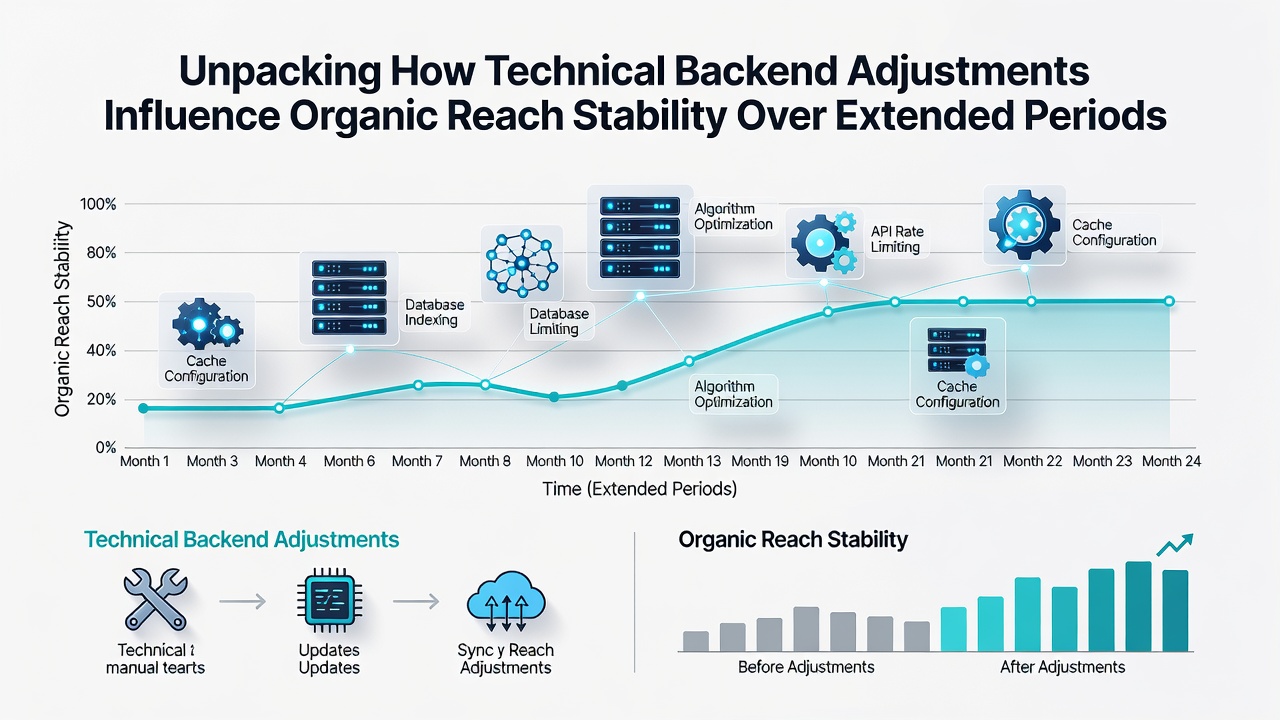
Technical backend adjustments encompass changes to server configurations, database structures, caching layers, and content delivery networks that power website performance, and these modifications often determine whether organic reach remains stable across months or years rather than fluctuating with each update cycle. Research from academic institutions indicates that sites implementing gradual indexing optimizations alongside load balancing protocols experience fewer ranking drops during core algorithm refreshes, while abrupt shifts in database query handling can trigger extended periods of reduced visibility in search results. Observers note that organic reach stability depends on how these backend elements interact with crawler behaviors over time, and data from performance audits reveal patterns where consistent uptime metrics correlate with sustained traffic levels even after multiple adjustment phases.
Core Backend Elements Driving Reach Consistency
Database indexing refinements and API endpoint management form foundational layers that search engines evaluate when determining content freshness and site reliability, and adjustments in these areas produce measurable effects on how pages rank across extended observation windows. Those who've studied web infrastructure patterns find that implementing asynchronous processing for non-critical tasks reduces server response variance, which in turn supports steadier crawl budgets allocated by major engines. Experts have observed that sites maintaining optimized query caches across distributed servers show lower bounce rates in analytics reports, and this stability compounds when combined with regular protocol updates that align with evolving security standards.
Load balancing configurations further influence how traffic distributes during peak indexing periods, and research indicates that uneven resource allocation often leads to temporary deprioritization in organic listings. People who've analyzed multi-year datasets discover that gradual rollout of these balancing mechanisms, rather than full-scale migrations, preserves historical ranking signals while accommodating growth in page volume. According to figures from the European Commission's digital infrastructure reports, coordinated backend scaling practices across member states contributed to measurable improvements in site resilience metrics between 2023 and 2025.
Security and Encryption Adjustments Over Time
Encryption protocol upgrades and firewall rule modifications affect how crawlers perceive site trustworthiness, and prolonged monitoring shows that outdated TLS implementations can introduce latency spikes that erode organic reach incrementally rather than through sudden penalties. Researchers discovered that integrating certificate automation tools helps maintain consistent handshake speeds, which supports steady indexing rates even as search algorithms incorporate more signals related to page security. Observers note that these adjustments become particularly relevant when platforms handle increased volumes of dynamic content, since backend security layers directly impact delivery speed and error rates reported in webmaster tools.
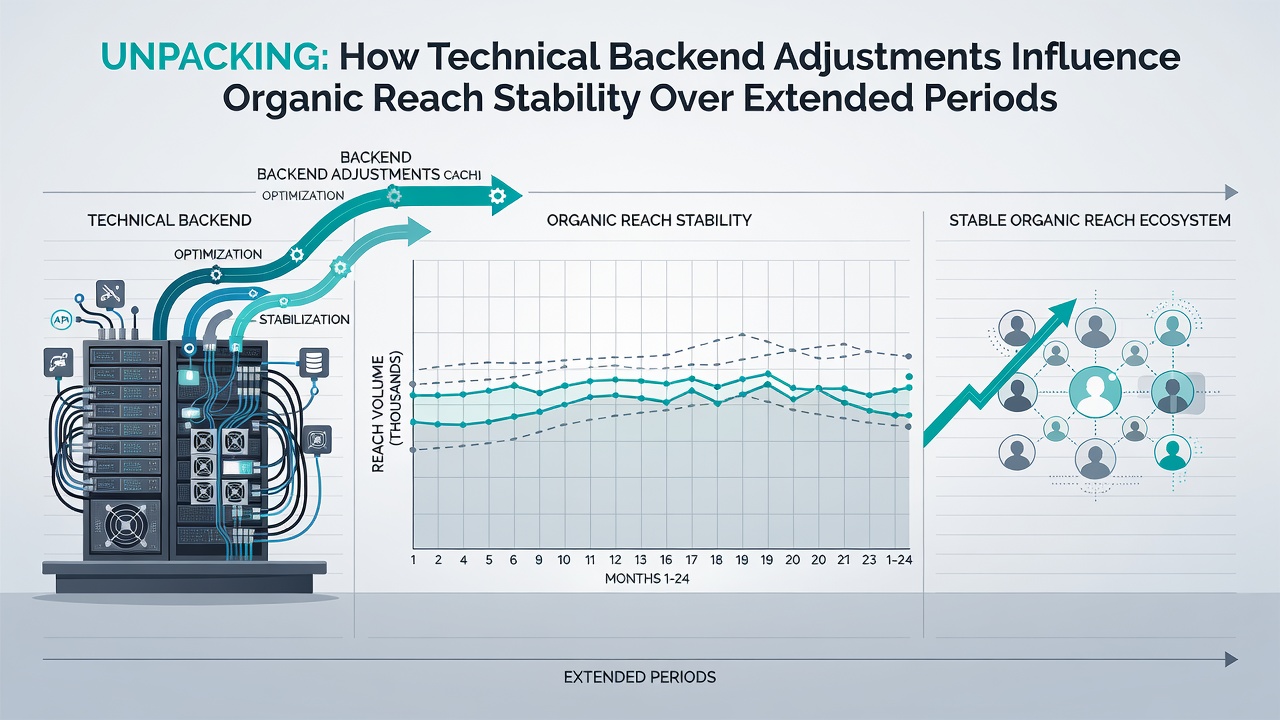
Studies from Canadian research centers on digital platform performance highlight that sites adopting standardized encryption practices experienced fewer disruptions in reach during the transition periods following major browser updates. Those adjustments, when paired with monitoring scripts that flag response anomalies early, allow operators to address issues before they accumulate into broader visibility losses over multi-year spans. Data shows that such proactive measures create compounding benefits, as stable security profiles reinforce positive signals sent to ranking systems.
September 2026 Context and Emerging Patterns
By September 2026, updates to content delivery standards are expected to emphasize backend efficiency metrics more heavily in ranking evaluations, and platforms that have already refined their caching hierarchies stand to maintain steadier organic trajectories. Industry reports from Australian government digital economy analyses suggest that regions adopting unified API rate-limiting frameworks saw reduced variance in reach metrics following similar technical rollouts in prior years. These developments underscore how cumulative backend choices shape long-term outcomes, with evidence pointing to database sharding techniques and CDN edge optimizations as key differentiators in sustained performance.
Conclusion
Technical backend adjustments continue to shape organic reach stability through interconnected effects on speed, security, and resource distribution, and longitudinal data confirms that measured implementation approaches yield more consistent results than reactive overhauls. Those monitoring these systems recognize that ongoing refinements in indexing support and protocol alignment provide the foundation for enduring visibility across search landscapes.