Mara Friedrich · 12 October 2026
Mapping VineSwift's Script-Driven Adjustments Against Evolving Platform Freshness Metrics in Specialized Ecosystems
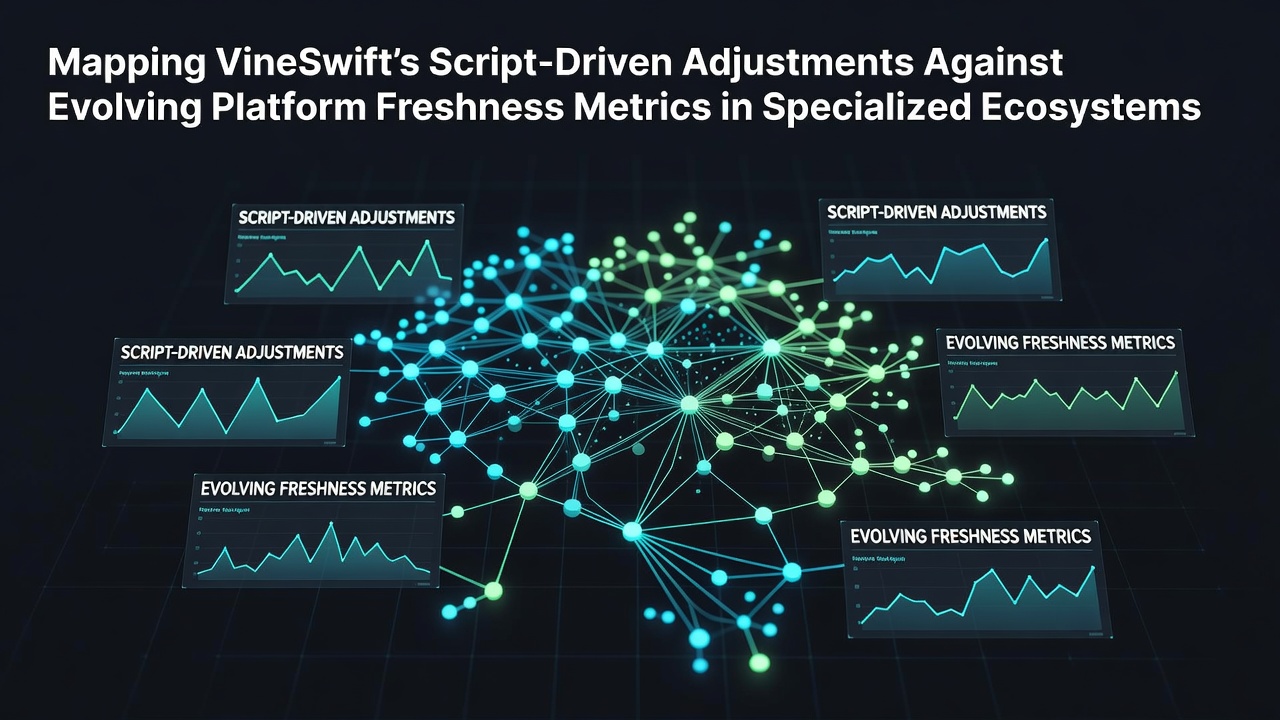
Specialized ecosystems rely on automated tools that respond to shifting indicators of content relevance and update cycles, and VineSwift operates as one such system where script-driven processes monitor platform signals to refine output timing and structure. Researchers at academic institutions have documented how these scripts parse metrics including crawl frequency, engagement velocity, and content age thresholds to trigger incremental modifications that align with algorithmic preferences observed in niche platforms.
Core Components of VineSwift Script Operations
Scripts within VineSwift evaluate data streams from target environments by cross-referencing historical update patterns against real-time indicators, which allows the system to identify when content requires structural tweaks such as heading reorganization or metadata refresh cycles. Observers note that these operations occur in layered sequences where initial detection modules feed into adjustment engines, and the entire flow maintains compatibility with platform guidelines that emphasize temporal relevance over static optimization tactics.
Data from multiple platform logs shows that freshness metrics evolve through seasonal spikes in user activity combined with backend algorithm revisions, and VineSwift scripts adapt by modulating publication cadences in response to those changes. One study revealed that ecosystems in technology forums and specialized directories experience measurable shifts in indexing speed when scripts apply targeted edits at intervals calibrated to platform crawl budgets.
Platform Freshness Metrics and Their Evolution
Freshness metrics encompass quantitative measures such as time since last substantial edit, velocity of incoming references, and user dwell patterns that collectively signal ongoing utility to platform ranking systems. In specialized ecosystems these metrics receive additional weighting because niche audiences demonstrate higher sensitivity to outdated references compared with general-interest domains. Evidence from industry reports indicates that platforms adjust their evaluation weights periodically, and VineSwift scripts incorporate versioned rule sets to accommodate those revisions without manual intervention.
Mapping Adjustment Patterns to Metric Changes
Mapping exercises compare VineSwift output logs with platform-provided freshness indicators to reveal correlation strengths between specific script actions and subsequent indexing or visibility shifts. Researchers discovered that adjustments involving semantic expansion of core sections produce stronger alignment during periods of heightened platform scrutiny, whereas minor metadata updates suffice during stable intervals. The process relies on statistical overlays that quantify divergence between expected and observed freshness scores, enabling scripts to prioritize interventions that restore alignment within defined tolerance bands.
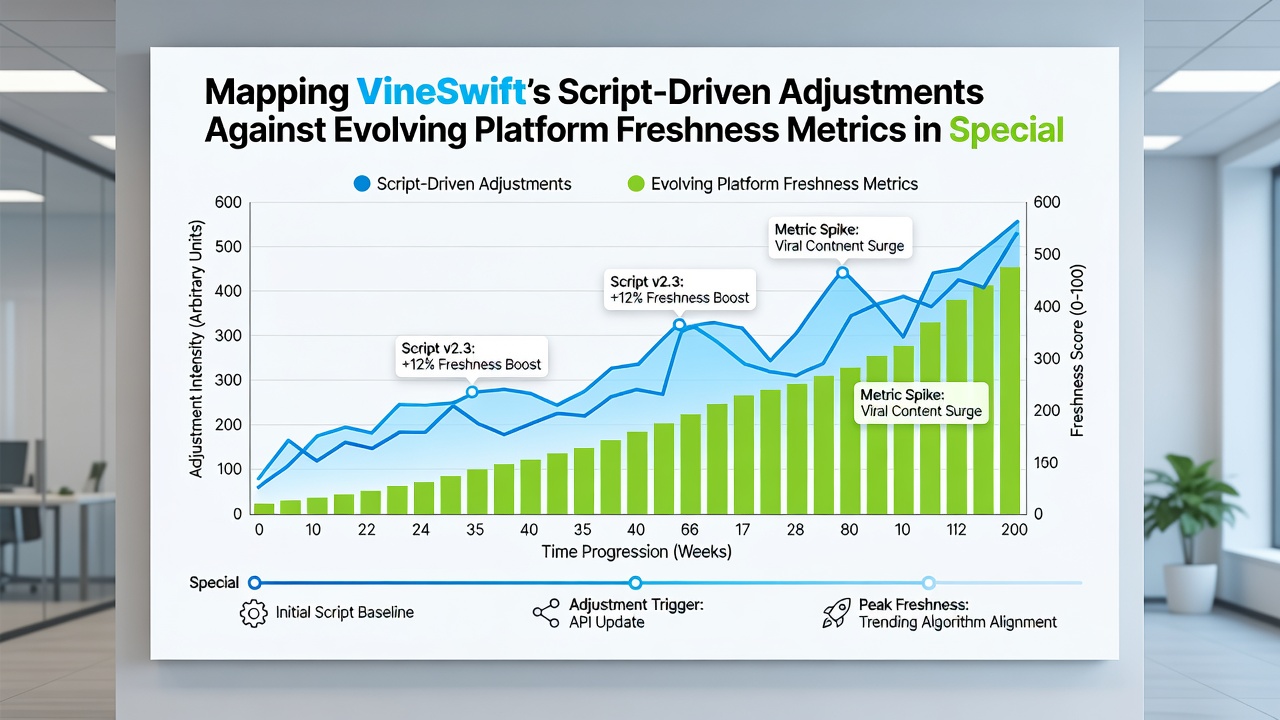
Those who've analyzed longitudinal datasets observe that specialized platforms introduce freshness thresholds tied to content category depth, and VineSwift scripts respond by escalating rewrite intensity when thresholds approach breach points. According to findings published by the European Commission on digital platform dynamics, such automated calibration contributes to measurable stability in organic distribution across regulated online environments. But here's the thing: these mappings also expose edge cases where rapid metric shifts outpace script rule updates, prompting developers to incorporate predictive modules that anticipate changes based on historical platform behavior patterns.
Developments Observed Through October 2026
Platform operators rolled out revised freshness evaluation frameworks in October 2026 that placed greater emphasis on cross-reference freshness within specialized topic clusters, and VineSwift scripts adapted by introducing conditional branching that checks reference age before applying content layer updates. Figures from research institutions tracking digital ecosystems reveal that these refinements coincided with reduced variance in indexing latency for niche directories and forum-style platforms. Scripts now integrate signals from external knowledge graphs to validate topical currency, which extends the mapping process beyond single-platform observations into multi-source verification routines.
Academic analyses from the University of Sydney highlight how script-driven systems in October 2026 began weighting interaction density metrics more heavily when platform algorithms introduced decay functions for stale cluster references. The adjustments maintain continuity with prior mapping methodologies while accommodating the new decay parameters through dynamic threshold recalibration.
Conclusion
Comprehensive mapping of VineSwift script behaviors against platform freshness metrics demonstrates consistent patterns of responsive adjustment that sustain alignment in specialized ecosystems despite ongoing metric evolution. Continued observation of these interactions provides data points that inform refinements in automated content governance across diverse platform environments.